

A Critical Analysis of Chromotherapy and Its Scientific Evolution
- Chromotherapy is a method of treatment that uses the visible spectrum (colors) of electromagnetic radiation to cure diseases. It is a centuries-old concept used successfully over the years to cure various diseases. We have undertaken a critical analysis of chromotherapy and documented its scientific evolution to date. A few researchers have tried to discover the underlying scientific principles, but without quantitative study. Sufficient published material can be found about the subject that provides a complete system of treatment focused on the treatment methodologies and healing characteristics of colors. A number of studies have elaborated the relationship between the human body and colors. We also show the possibility of carrying out diverse research into chromotherapy that is pertinent to deciphering the quantum mechanical dipole moment of water molecules. The quantum mechanical dipole moment as a result of the absorption of different colors, we conjecture, produces charge quantization phenomena. This review illustrates that the development of science in the field of electromagnetic radiation/energy can be very helpful in discovering new dimensions of this old theory.
Hypothesis
- Newtonian ideas helped us to understand solid matter and moving objects found in the earth’s gravitational field. Einstein, however, through his renowned equation E = mc2, determined that energy and matter are dual expressions of the same universal substance.
- The vibratory rate of a substance determines its density or its form as matter. A slowly vibrating substance is referred to as physical matter, whereas the subatomic (which vibrates at or above the speed of light) is subtle matter or pure light energy. Light is electromagnetic radiation, which is the fluctuation of electric and magnetic fields in nature. More simply, light is energy, and the phenomenon of color is a product of the interaction of energy and matter. The wavelength, frequency and quantity of energy of every colorful ray are fixed for each color; that is, a specific wavelength, a certain frequency and a particular amount of energy in that wave have been denominated as a distinct color. The human eye is sensitive to electromagnetic radiation only at wavelengths roughly between 380 and 780 nm. This small segment is called the visible spectrum or visible light. Visible light can be broken down into numerous electromagnetic frequencies, and frequency relates to a color of the rainbow: red, orange, yellow, green, blue, indigo, violet and all the vibrations thereof.
- Newtonian concepts, limited to the observable, have also been applied by contemporary medicine, which is premised on the idea that the total picture becomes predictable by understanding and regulating the various material parts. That is, when a part of the body malfunctions, it is removed or replaced in a similar way to how we handle machinery. Alternatively, it is treated with chemical ingredients that often cause negative side effects. Simply stated, contemporary medicine examines the symptoms and influences or suppresses them, but it does not involve itself with a real source — diseased life energies. Einstein’s approach deals with the human body not as an assemblage of chemical parts but as a total, complete system operating in harmony with the electromagnetic/energy system of the universe. The key to understanding chromotherapy/vibrational healing lies not in the Newtonian mechanistic approach but in rerouting energy fields that form complex relationships with other fields such as those surrounding the physical/cellular substance and others relating to more non-physical energies.
- Every creature is engulfed in light that affects its health conditions. The human body, according to the doctrine of chromotherapy, is basically composed of colors. The body comes into existence from colors, the body is stimulated by colors and colors are responsible for the correct working of various systems that function in the body. All organs and limbs of the body have their own distinct color. All organs, cells and atoms exist as energy, and each form has its frequency or vibrational energy. Each of our organs and energy centers vibrates and harmonizes with the frequencies of these colors. When various parts of the body deviate from these expected normal vibrations, one can assume that the body is either diseased or at least not functioning properly. The vibratory rates inherent in the vibrational technique (chromotherapy) are such that they balance the diseased energy pattern found in the body. For in every organ there is an energetic level at which the organ functions best. Any departure from that vibratory rate results in pathology, whereas restoring the appropriate energy levels to the physical organs results in a healed body.
- Chromotherapy is a narrow band in the cosmic electromagnetic energy spectrum, known to humankind as the visible color spectrum. It is composed of reds, greens, blues and their combined derivatives, producing the perceivable colors that fall between the ultraviolet and the infrared ranges of energy or vibrations. These visual colors with their unique wavelength and oscillations, when combined with a light source and selectively applied to impaired organs or life systems, provide the necessary healing energy required by the body. Light affects both the physical and etheric bodies. Colors generate electrical impulses and magnetic currents or fields of energy that are prime activators of the biochemical and hormonal processes in the human body, the stimulants or sedatives necessary to balance the entire system and its organs (Fig. 1).

History of Chromotherapy
Physical View
- Ancient observation chromotherapy is a centuries-old concept. The history of color medicine is as old as that of any other medicine. Phototherapy (light therapy) was practiced in ancient Egypt, Greece, China and India. The Egyptians utilized sunlight as well as color for healing. Color has been investigated as medicine since 2000 BC. People of that era were certainly unaware of the scientific facts of colors as medicine, but they certainly had faith in healing with colors. They used primary colors (i.e. red, blue and yellow) for healing as they were unaware of the mixing up of two colors. The science seems to have been silent at those times.
- According to ancient Egyptian mythology, the art of chromotherapy was discovered by the god Thoth. In the hermetic traditions, the ancient Egyptians and Greeks used colored minerals, stones, crystals, salves and dyes as remedies and painted treatment sanctuaries in various shades of colors. The ancient Ayurvedic physician Charaka, who lived in the sixth century BC, recommended sunlight to treat a variety of diseases. In ancient Greece the physical nature of color was dominant. Color was intrinsic to healing, which involved restoring balance. Garments, oils, plasters, ointments and salves were used to treat disease. The Greeks were unaware of biological changes in the body as a result of color treatment; nevertheless, they had blind faith in the healing properties of colors. It is also interesting to know that they used both forms of treatment with colors: direct exposure to sunlight and indirect healing. In the indirect method, they used such materials as stones, dyes, ointments and plasters as the medium. What was missing in their medicinal use of color was water as a medium for the absorption of color, which later proved to be the best remedy for removing toxins from the body. This concept is common among all researchers working on hydrochromopathy.
- Avicenna (AD 980) advanced the art of healing using colors. He made clear the vital importance of color in both diagnosis and treatment. According to Avicenna, ‘Color is an observable symptom of disease.’ He also developed a chart that related color to temperature and physical condition of the body. He used color treatment with the view that red moved the blood, blue or white cooled it and yellow reduced muscular pain and inflammation. Avicenna’s work undoubtedly advanced the use of chromotherapy in those times. He discussed the properties of colors for healing and was the first to establish that the wrong color suggested for therapy would certainly elicit no response in specific diseases. For example, he observed that a person with a nosebleed should not gaze at things of a brilliant red color and should not be exposed to red light because this would stimulate the sanguineous humor, whereas blue would soothe it and reduce blood flow. This seems to be the practical understanding at the time, but we do not find discrete values of frequencies or energies associated with these colors.
- In 19th Century researchers used only blue and stated that blue was the first remedy in case of injuries, burns or aches. They reported findings on the effects of color in plants, animals and humans. They claimed that ‘the quality yield and the size of grapes could significantly increase if they were grown in a greenhouse made with alternating blue and transparent panes of glass’. They also cured certain diseases and increased fertility as well as the rate of physical maturation in animals by exposing them to blue light. The same methodology employing the color blue was adopted by other researchers, who found it to be very useful as a first-line treatment for injuries as well as for burns.This work lacked scientific proof and evidence, no established rules were presented before the scientific societies, leading to a great gap between his work and the development of color/vibrational healing on scientific grounds. If work could be carried out even now on his great ideas, especially in agricultural development and in animals, researchers could make new discoveries.
- Most areas that seem to have been ignored in the past were emphasized by another research group that presented a comprehensive theory of healing with color. They identified the color red as a stimulant, notably of blood and to a lesser extent the nerves; yellow and orange as nerve stimulants; blue and violet as soothing to all systems and as having anti-inflammatory properties. Accordingly, they prescribed red for paralysis, physical exhaustion and chronic rheumatism; yellow as a laxative, emetic and purgative and for bronchial difficulties; blue for inflammatory conditions, sciatica, meningitis, nervous instability, headache, irritability and sunstroke. Study also stated that ‘all vital organs have direct connection with the skin through arteries, blood vessels and capillaries, and colour rays can affect the entire blood stream through circulation and elimination of toxins’ . Research also developed various devices, including a special cabinet called a thermolume, in which colored glass and natural light were used to produce colored light and a chrome disk — a funnel-shaped device fitted with a special color filter — was used to focalize light onto various parts of the body. Study discussed in detail the effects of the reflection, absorption, transmission and polarization of light. Different patients were presented in his book who had been treated using color healing devices created by him. Research also established the relationship between color and minerals, which he used as an addition to treatment with colored light, and he developed elixirs by irradiating water with sunlight filtered through colored lenses. Study claimed that this ‘potentized water’ retained the energy of the vital element within the particular color filter used and had remarkable healing power.
- Research was in fact among the pioneers of modern chromotherapy. It used both direct and indirect methods of color treatment. It seemed to be well aware of the techniques and methodologies used in chromotherapy. The invention of different devices such as a special cabinet that used natural light to produce colored light by splitting it into seven colors, used for the focalization of light onto some particular area, worked quite effectively for healing wounds and stopping bleeding, headaches, etc. The actual energy to which he referred in potentized water was not calculated by any means. Research did not explain the energy change in water, its quantum states and how different kinds of vibrations affect water in different manners. Research did not explain about the potency of potentized water, but incredible for that time was is his correlation of magnetism with chromotherapy. The work on color healing, for the first time in history, proved to be comprehensive in taking both a physiological and a psychological approach. Any chromotherapist even nowadays can benefit from his work as he discussed appropriate colors for diseases in detail that in a way does not contradict to the facts newly established under the influence of science.
- 20th Century researchers discovered the scientific principles that explain why and how different color rays have various therapeutic effects on the body. Their Spectro-Chrome Encyclopaedia, is considered to be the first published book to explain the complete doctrine of chromotherapy. The rules explained in this book could be proved using any kind of modern techniques. Most chromopaths have used this technique. Research discovered that there is a unique color or energy vibration that either sedates or stimulates the stream of energy through a specific organ, causing a natural biochemical reaction. By knowing the action of different colors upon the different organs and systems of the body, one can apply the appropriate color that will balance the action of any organ or system that has become abnormal in its functioning or condition. When this balance is disturbed, mental and physical problems occur. The aim of the science of color healing is to cure disease by restoring normal balance of color energies of the body. Research established that particular areas of the body respond to particular colors; these areas are similar to what the ancients called ‘chakras’. According to Research, ‘the chakras are areas of highly concentrated energy that are connected to various locations mainly along the spinal cord. These energy fields are related to the major organs in the body’ . The concept of chakras is essentially an east Indian concept, which research presented as the source of energies.
- The work of research actually demystified the theory of chromotherapy. It stated: ‘The colour bands of spectrograms are produced when a chemical element undergoes a process of combustion or vaporization that accelerates the motion of its atoms. The specific band of colours and dark lines emitted when a certain element is heated, are known as Fraunhauafer lines.’ This procedure is commonly used to identify the chemical composition of a substance (with a photospectrometer).
- Contrary to accepted scientific theory, which assumes that each element is a unit, research concluded that ‘the chemical elements are colour compounds’. The results can be proved by any of the sophisticated equipment of modern science. ‘A specific disease thus constitutes a specific imbalance of colour waves and by implication, chemical imbalance.’ Research found that by treating the body with a particular color vibration, one could effectively reintroduce the appropriate biochemical elements into the body; he referred to this as color chemistry, certainly a new field of study. The results as published in the first decade of the twentieth century were advocated in Colour Medicine: color medicine not only can heal the diseased frequency of the body but also can introduce actual chemical elements/vibration into the body in a non-toxic form.
- During the nineteenth century the emphasis in science was exclusively on matter rather than on energy. As medicine came under the umbrella of science, it focused too much on the material physical body, ignoring the mind. With the advances in physical medicine and treatments such as surgery and antiseptic, interest in healing with colors declined.
- Understanding Chakra and Color Ray Frequency In 1951 research discovered that ‘Colour Ray Frequency changes in atmosphere arising from the sunspots really affect the flocculation index of human blood albumin resulting in changes of menstrual cycles’. Study came up with experimental results on direct exposure to sunlight. He did not mention anything about material aids for providing a color deficient to the human body. Research described these experiments in Colour and Light: Their Effect on Plants, Animals and People, published in 1987, and described how color rays from sunspots would alter a person’s flocculation index. Study further explained that there are different methods of applying colored light. It can be received through the skin or the eyes, which, in turn, has been found to stimulate the internal glands. The study worked on the effects of light on blood and also described the different methods of chromotherapy. It is not clear what parameters were adopted to verify the effect of sunlight on skin. The same effect was also described in another study which is more informative and explanatory. It is very interesting that no chromopath has contradicted another’s specific color treatment suggested for a specific disease. This study also emphasized the biological functioning of the human body when chromotherapy is applied. It noted that different lights affect different enzymatic reactions for healing purposes. This was the first time that the effect of chromotherapy was tested at the DNA level.
As Research correlated colors with chakras:

- Each chakra energizes and sustains certain organs. The balance of the seven chakras activates healing by transmitting energy to the electromagnetic field around the body . ‘The body has seven major energy centres known as chakras, each centres is responsive to a different colour. Chakra located at the sites of the major endocrine glands, corresponds to particular states of consciousness, personality types and endocrine secretions.
- Approaches to Chromotherapy — New researchers discussed some useful points about chromotherapy as THEY practiced it, and he found it to be a complete therapeutic system for 123 major illnesses. They used single colors and also combinations of two or more colors for therapy and different techniques, namely, direct exposure and hydrochromopathy. They correlated the concepts of color healing with Einstein’s mass–energy relationship, which seems quite accurate in terms of the concept of an energy field around the human body. This work proved to be more accurate. It emphasized the pros of chromotherapy — that it is safe, simple, economical and highly effective.
- Another study conducted experiments to determine the function of light in animal and human cells. This work gives a clear picture of the effects of colors on the human body, whether applied directly to the skin or absorbed in such materials as water, oil and milk and then given to the patient. This could affect patients with hereditary diseases such as hypertension, thalassemia and diabetes. This work needs more research and a series of experiments should be carried out with certain biophysical applications. Study discussed in detail the causes of diseases and suggested appropriate colors, which are very easy to understand and to use. Study discussed in detail different methods of chromotherapy but emphasized hydrochromopathy. The complete methodology of chromotherapy as described is extremely useful and effective; undoubtedly, a new area of research has evolved with its publication.
- Chromotherapists of the past emphasized one thing and left others unattended. Some have emphasized direct exposure of the affected and diseased area to light. Some have talked about the materials, and others have emphasized only watching color. It is evident that all these methods focused only on the material aspect of chromotherapy, but new research produced a detailed study covering different aspects of chromotherapy, including the material aspect of healing as well as the electromagnetic transfer of color characteristics. Study measured the production of a 32 su (sparkle units) charge in chromotized water due to the absorption of rays, but any theoretical explanation is missing. This was the first time in the history of chromotherapy that this kind of work had been done, but surprisingly it did not proceed further to the spectroscopy of charged water. Study also related seven musical tones to seven vibrational states and seven vitamins. It compared chromotherapy with all other therapeutic systems developed so far, with an in-depth explanation of the complete doctrine of chromotherapy (vibrational healing). It states: ‘Every therapeutic system has its own doctrine or to say own point of view about the reasons and causes of diseases.’ According to the theory of chromalux, an electric charge is produced due to the influence of the vibrations of cosmic and colourful rays upon the brain cells. This electric charge takes the form of a current emitted where various cells collide with another. This collision results in formation of incalculable colourful vibrations, which can be termed as thought.
- The cervical vertebrae is the main passage for the current that starts from the brain; if this bone fractures, the flow of current suffers a set back resulting in damage of the brain tissues.
- Study elaborated the technique of choosing the right color for specific diseases and explained the theory of the basic colors used for therapy and the combinations of different shades. This work stresses that a patient’s history should be keenly observed before suggesting any color.
- Color Psychology and Medicine — For research techniques and impressive quantitative data, the world of color psychology and medicine is indebted to the recent efforts of research. This study painstakingly reviewed the whole area of light, color and their psychophysiological influences. Probably for the first time, it tested the reactions of the entire organism, using advanced and modern techniques with colored light beamed onto the skin of the subject. Profiting from the experience of other scientists and the use of an electroencephalogram, it evolved new approaches and discovered a number of significant facts.
- Physiologically, affective responses of subjects revealed that warm colors were useful in arousing those troubled with reactive depression or neurasthenia. They increased muscle tone or blood pressure in hypertensive individuals. Cool colors elicited the reverse affective responses in all of the same tests. Anxious subjects were actually calmed by these cooler colors, from the viewpoint of clinical psychology. This is an important finding as it reveals that cool colors can be effective as a tranquilizer in cases of tension and anxiety. Physiologically, all colors produced clinically tangible results. Exposure to warm colors increased respiratory movements, frequency of eye blinks, cortical activation and palmar conductance (arousal of the autonomic nervous system). Warm colors consistently showed a more pronounced pattern of stimulation. Cool colors showed opposite effects by acting as a relaxant and tranquilizer for anxious individuals, lowering blood pressure, providing relief from tension, alleviating of muscle spasms and reducing eye blink frequency. They also proved to be an aid for insomnia. Just as warm colors showed a consistently pronounced pattern of stimulation, cool colors showed a consistent pattern of relaxation. To summarize this research, testing, and scientific data showed that all colors affect all human both psychologically and physiologically in a specific manner.
Metaphysical View
- Research related the human body to the electromagnetic energy glow surrounding every creature. In its view, this body or energy glow is responsible for keeping our body healthy. It is a wrong concept that our physical body is itself everything, but instead the electromagnetic glow (aura) around the body gives us the energy and transfers health or diseases to the physical body’.
- These concepts received support from Russian scientists who worked in collaboration with an Indian researcher, using Kirlian technology. They took pictures of the electromagnetic energy glow around the human body and discovered that actual disease appears first in the aura and is then transferred to our physical body and can be detected 6–8 months prior to appearance in our physical body. Thus, they have established the fact that chromotherapy can be a preventive treatment . All seemingly solid objects in our world including our bodies are made up of the electromagnetic energy, the more dense the energy the more solid the object is. This fact also demonstrates below idea of Einstein’s
- If we are the objects with mass “m” and we expose ourselves to a very powerful and high intensity electromagnetic field, and then we will gradually be transformed from matter into energy. In the form of energy, if we obtain a superior level of consciousness then we will be able to direct the flow of energy and we will not be restricted by the limited dimensions of space-time. Therefore in this condition we can surpass the boundary of time to return back into the past or to travel in the future. In addition to the fact that we are an energy source that possesses conscious wisdom, we have the capability to transform ourselves back to the physical form.
- After Einstein’s statement, a new door could be opened to justify the electromagnetic body around the physical body and that only Einstein could demonstrate to the materialistic or mechanized Newton-bound world of the West through his mathematical energy formula E= mc2. According to Einstein energy and matter are interchangeable and interconvertible.
- We know that the vibratory rate of a substance determines its density or its forms as matter. When we recognize the vibratory patterns in the universe, i.e. the energy ranges or fields found on the cosmic electromagnetic scale, we will then be able to open the doors to the tremendous healing powers found in the subtle energy octaves of the cosmos. The visible light spectrum with its beneficial frequencies for the human body provides the preventing tool for healing. Colour Medicine is truly, the medicine of the future.
- Chromotherapy provides colors to the electromagnetic body or the aura (energy field) around the body, which in turn transfers energy to the physical body. This makes chromotherapy the most effective among various therapies.
- When we speak of color, we mean energy waves. Every color, each with its own frequency, is a form of energy. Ghadiali agreed that beaming a color or colors onto the skin acts as a form of feeding color to the body. Light is the closest thing to pure energy that we can identify. Colour as pure vibrational energy is the rational therapy for maintaining health and overcoming disease’ . When applied to the human body, light will provide all deficient energies since every color is associated with a quantity of energy. A concept from physics confirms the idea of chromotherapists that ‘colors provide energies’. There have appeared no contradictions among any of the theories about chromotherapy presented, but still there are some areas of study which were not focused on in the past, including the study of the electromagnetic radiation glow around the human body and its quantization.
- Colors have a profound effect on us at all levels — physical, mental and emotional. If our energy levels are blocked or depleted, then our body cannot function properly, and this in turn can lead to a variety of problems at different levels .
- These interrelating systems of subtle forces recharge or rechannel energy into diseased areas where it is blocked or deficient, for disease is nothing more than a restriction of energy flow. As we know energy or vibrational flow along the path of least resistance and through the extra energy associate with the use of vibrational healing, the appropriate energies seek out the needed areas, freeing blocked energy where it is most required. The interaction between the dense physical energy of the body and the subtle energy, which controls many of the body functions or activities, is the key to understanding relationship between energy and matter.
- This energy body can also be proved through photography, as described in scientific documentation of chromotherapy: in 1939, Kirlian discovered that if an object on a photographic plate is subjected to a high voltage electric field, an image is created on the plate. The image looks like a colored halo or a coronal discharge. This image is said to be the physical manifestation of the electromagnetic radiation around the body (aura), which allegedly surrounds every living thing.
- Research explained unrevealed facts about the human body and its energy glow. This idea has also been used by Indian and Russian medical staff for treating patients. This discovery led to a new area of research; unfortunately, scientists even today have not yet explored the relationship between the basic science of electromagnetic energy around the body (aura) and chromotherapy. Orthodox medicine and science give their own explanations of how light works. These explanations are based on strictly physical functions and ignore the bioelectric energy field, which has been demonstrated or photographed with Kirlian devices. That electromagnetic energy can be moved through our auras into the physical body by light frequencies, using color medicine, can also be explained thus: ‘All living things are moist; the moisture is transferred from the subject to the emulsion to the electric charge pattern on the films, causing a Kirlian image to appear’. This undoubtedly helps us understand how disease is cured according to the doctrine of chromopathy, but the area that should be emphasized is the quantum state of electromagnetic radiance around every living body.
Applications of Chromotherapy
- Variation in Influences of Light — During the 1950s, studies suggested that neonatal jaundice, a potentially fatal condition found in two-thirds of premature babies, could be successfully treated by exposure to sunlight. This was confirmed in the 1960s, and white light replaced high-risk blood transfusions in the treatment of this condition. Blue light was later found to be more effective and less hazardous than full-spectrum light (the most common form of treatment for neonatal jaundice). Comparison of blue light with turquoise for treatment of neonatal jaundice was carried out by researchers. The white full-spectrum light is also now being used in the treatment of cancers, SAD (seasonal affective disorder, so-called winter depression), anorexia, bulimia nervosa, insomnia, jetlag, shift working, alcohol and drug dependency, and to reduce overall levels of medication. Research worked on the tranquilizing effect of colors and found that color reduces aggressive behavior and violence.
- The blue light found to be successful in the treatment of neonatal jaundice has also been shown to be effective in the treatment of rheumatoid arthritis. In studies most of those exposed to blue light for variable periods of up to 15 min experienced a significant degree of pain relief. It was concluded that the pain reduction was directly related both to the blue light and to the length of exposure to it. Blue light is also used in healing injured tissue and preventing scar tissue, as well as for burns and lung conditions. In 1990, scientists reported to the annual conference of the American Association for the Advancement of Science on the successful use of blue light in the treatment of a wide variety of psychological problems, including addictions, eating disorders and depression. At the other end of the color spectrum, red light has been shown to be effective in the treatment of cancer and constipation and in healing wounds. As a result, color is becoming widely accepted as a therapeutic tool with various medical applications.
- A new technique that has been developed over the past two decades as a result of pioneering research is photodynamic therapy (PDT). This is based on the discovery that certain intravenously injected photosensitive chemicals not only accumulate in cancer cells but also selectively identify these cells under ultraviolet light. These photosensitive chemicals then exclusively destroy the cancer cells when activated by red light, whose longer wavelength allows it to penetrate tissue more deeply than other colors. PDT can be used for both diagnosis and treatment. Researchers who developed PDT, report that in a worldwide experiment more than 3000 people with a wide variety of malignant tumors have been successfully treated using this technique. Chromotherapy is now used to improve the performance of athletes; whereas red light appears to help athletes who need short, quick bursts of energy, blue light assists in performances requiring a steadier energy output.
- By comparison, pink light has a tranquilizing and calming effect within minutes of exposure. It suppresses hostile, aggressive and anxious behavior. Pink holding cells are now widely used to reduce violent and aggressive behavior among prisoners, and some sources have reported a reduction of muscle strength in inmates within 2.7 s. It appears that when in pink surroundings people can never become aggressive despite their desire, because the color saps their energy. In contrast, yellow should be avoided in such contexts because it is highly stimulating. Research suggested a possible relationship between violent street crime and sodium yellow street lighting.
- Color, Brain and the Effects of Light Research in Russia during the 1960s showed that one in six experimental subjects could recognize color with their fingertips after only 20–30 min training, and blind people developed this sensitivity even more quickly. Understanding of these effects has come about only as a result of research into the hormones melatonin and serotonin, both of which are produced by the pineal gland in the brain. Melatonin is known to be the crucial chemical pathway by which animals respond to light and synchronize their bodily functioning with diurnal and seasonal variations. Serotonin is a very important neurotransmitter in the brain, whose action has been linked with mental disturbances such as schizophrenia and hallucinogenic states. Serotonin, a stimulant, is produced during daylight whereas the output of melatonin — which is linked with sleep — increases when it is dark and has a generally depressive effect. This is reversed when it is light and the production of melatonin drops. Its main site of action appears to be the hypothalamus, the part of the brain involved in mediating the effects of various hormones and in regulating emotions. However, changes in the output of melatonin in response to light influence every cell of the body, notably the reproductive processes, which are sensitive to such variations. High levels of melatonin have been found in women with ovulation problems and anorexia nervosa (a characteristic feature of which is amenorrhea, or absence of periods), in men with low sperm count and in people suffering from SAD, which usually occurs during winter. Research also confirmed that certain parts of the brain are not only light sensitive but actually respond differently to different wavelengths; it is now believed that different wavelengths (colors) of radiation interact differently with the endocrine system to stimulate or reduce hormone production.
- This work has given a new dimension to chromotherapy: the use of colors in psychological disorders. SAD has become a very common problem nowadays, in England in particular, where the sun does not shine for up to 1 or 2 weeks, so that no light enters into the body. As a consequence, psychological diseases manifest, mainly in the form of depressions, which, according to chromopathy studies, are curable without any use of tranquilizers.
- A detailed study of chromotherapy, with patients exposed to sunlight through color filters, was produced by research. It adopted modern theories to prove the relationship between melatonin, light and color. This study was first to attempt to find a relationship between blood and sunlight. This work concerns hormonal changes as a result of exposure to sunlight. Of course, sunlight is a perfect blend of seven colors; different colors are responsible for the release of different kinds of hormones, which keeps us healthy.
- Light is responsible for turning on the brain and the body. Light enters the body through the eyes and skin. When even a single photon of light enters the eye, it lights up the entire brain. This light triggers the hypothalamus, which regulates all life-sustaining bodily functions, the autonomic nervous system, endocrine system, and the pituitary (the body’s master gland). The hypothalamus is also responsible for our body’s biological clock. It also sends a message, by way of light, to the pineal organ, which is responsible for releasing one of our most important hormones, melatonin. The release of melatonin is directly related to light, darkness, colors, and the Earth’s electromagnetic field. This necessary hormone affects every cell in the body. It turns on each cell’s internal activities, allowing them to harmonize with each other and nature. The pineal gland is believed to be responsible for our feeling of oneness with the universe and sets the stage for the relationship between our inner being and the environment. If that relationship is harmonious, we are healthy, happy, and feel a sense of well-being. An imbalance in this relationship makes itself known in the form of disorders or disease in our physical, mental or emotional states. The Pineal is our “light meter”, and receives information from the heavens above, to give us that sense of oneness with the universe, and from the Earth’s electromagnetic field below to keep us grounded. A perfect balance is necessary to maintain our health and to keep us in harmony with the environment .
Conclusions
- Many aspects of humankind’s explorations are ignored, neglected or discarded. Color medicine is one of these neglected items. The common feature of every remedial and curative system of treatment, whether it is Ayurveda, allopathy, acupuncture, Unani, homeopathy, biochemic, magnetotherapy, physiotherapy, radiotherapy, aromatherapy, reflexology or chromotherapy, is to somehow apply vibrations of one kind or another in such a manner that the body can be put back on the health track. Most systems induce vibrations indirectly, but there are a few in which the vibrations are used directly upon the body, and chromotherapy is one of them.
- Researchers revolutionized to the development of chromotherapy. Their ideas were carried out by other researchers. No controversies were found among the theories presented, in research work conducted in any area of the world.
- We conjecture that color is a quantum state of matter. There are other quantum states such as charm, beauty, flavor, tenderness, etc. These quantum states are linked with each other via ‘glucons’ and form intermediatory energy fields known as ‘quarks’. Quarks, if condensed, produce bosons, a fifth state of matter. The medium used in chromotherapy has never been explored in depth; for example, water, the main medium used in chromotherapy, has never been studied quantitatively in any of the research conducted in the context of chromotherapy. The literature exhibits a severe lack of scientific work pertaining to quantum physical states and optical mathematics. Similarly no proofs available on the basis of scientific calculations of chromotized water. We found no study of quantum states and the electromagnetic glow around the human body. Conductivity measurements of the chromotized water used in hydrochromopathy have not been emphasized by any researcher. Mass–energy-related measurements could be helpful in potentizing or chromotizing the liquid medium used for treatment. Relationships ought to be established between charged water, its energy states and its effect on the human body. The quantum mechanical dipole moment as a result of absorption of different colors, we conjecture, produces charge quantization phenomena. Chromotherapy as a system of treatment can benefit people because of its harmony with nature. Everything that exists in this world is a combination of different colors . In every creation of God, one color or another is dominant.
- By using clay, a clay pot is repaired and piece of cloth mends a doll made of cloth, the plastic is used to repair the articles of plastic, then why light and colours cannot be used for the human health care which is the origin of man’s creation. The holy scriptures say that existence of man is based upon various types of lights and colours. Then why a human being cannot be treated with colours.
- You realize you are part of the hologram of life, surrounded by an aura or energy field that radiates distinct colour and vibrations. The aura fingertips your soul and reflects your goodness, wellness, mental stability, maturity, emotional/inner turmoil or peaceful fulfilment. More of each of these qualities, peace, wellness, stability, maturity and fulfilment may become your ever present precious possession by the application of colour’s power in our daily living.
Light & Color Therapy
- Color and sight of color has become increasingly popular among people of all ages to deal with stress-related conditions such as insomnia, depression, anxiety, asthma, behavioral disorders and many more. As coloring books are widely available, people are able to pick their own colors, pattern or pictures to create attractive pictures. Before starting off, here are some facts about colors you need to know.
- Color is one of the languages of the soul. Research has shown that colors promote interaction where language may fail.
- Colors affect our depth perception, for instance: light colors make space look big and high ceiling looks less high when painted in a dark color.
- Not all people and cultures give the same meaning to one color.
- Colors influence the energy in our body. If you go through the body screen system at the airport, the screen shows your chakra’s color which also relates to biological attraction.
- Colors speak volumes about our personality.
- Maintaining a good immunity system is crucial for trainers, as they need to work with their their entire bodies while effectively communicating with their learners. According to practitioners of color therapy, the link between colors and our moods and emotions goes deeper than that. They believe that not only do colors affect our emotions, but they have healing properties. According to them, every color in the light spectrum vibrates at a different frequency. The faster the vibration, the warmer the color and the slower the vibration, the cooler the color. For instance, red is a warm color, while blue is cool.
- This is not a new theory, but one that has been practiced as far back in time as the Egyptian civilization. In ancient Egypt, people often immersed themselves in vats of colored pigment as a curative measure. In ancient times, there were great halls with colored glass panels or windows where people would stand and be bathed in the light that filtered in.
- “So what is your favorite color?” Questions like this are often asked by psychiatrists to learn and determine the character of someone from his or her favorite color. The answer may vary, depending on each individuals’ health and well-being.
- If you are suffering from any physical or emotional disorders and need to re-balance your chakra system or your body’s natural energy centers, chromotheraphy, more commonly known as color therapy, could be one of your healing methods. Colors affect our mood because color has its own particular wavelength and energy. Enter color therapy, which dates back thousands of years.
The practice of colour therapy
- Followers of this alternative method of healing emphasize that colour therapy should only be performed by experts who know what colour or mixture of colours is required for the cure of an illness. There are no standard rules. Colours that work for one person need not necessarily be as effective for another person. In addition, it is believed that overexposure to certain colours can lead to side effects.
Colour therapy can be practiced in the following ways:
- Coloured light bulbs and coloured glass windows can be used as part of the therapy.
- Some therapists ask their clients to visualize colors under the effect of hypnosis.
- Other experts make suggestions about the color of the food a person should eat, the color of his clothes and even the color of his surroundings.
- Solarized water can be used as a healing tonic. In this method, purified water is filled in a clear container of the prescribed color and left out in the sun for a couple of hours. The sun’s rays filter through the colored glass container and energize the water with the vibration of the prescribed color.
- Ancient cultures in Egypt, China and India, built great halls for color healing where patients were bathed in light that was filtered through various colored glass panels or windows. It was believed to heal the tired body. Today, this method still exists as a cure for adults and children with learning difficulties.
- Practitioners believe that colors help to adjust us emotionally, physically and mentally. Modern color therapists frequently combine the method by using other complementary techniques such as aromatherapy, crystals, massage, yoga and many more. Here are the health benefits of some colors often use in coloring.
- Chromotherapy is the use of the visible spectrum, or color light, to heal the physical, mental and spiritual energy imbalance that tends to lead to disease. It is one of the most holistic and simple methods to cure illness. This healing modality does not require you to consume anything, nor does it require putting anything on your body like an ointment. You simply lay or sit under the desired color.
- Colors are all vibratory. Each of the color photons has its own wavelength and frequency. The body recognizes these waveforms and responds to them.The way we perceive color is because of the vibration it holds. Each color charges our cells a certain way as a result. I will explain more down below, but it is important to acknowledge that each color gives us a certain amount of energy manifesting as creativity, motivation, happiness, or energy that relaxes our bodies, clears the mind of anxiety and stress, and gives us a good night of rest.

- The human body is composed of all colors from the visible light spectrum. Each color of the spectrum has a different effect on the mind, body, and emotions. An ancient teaching that originated in India between 1500 and 500 BC discusses the Chakra system. The chakras are areas of highly concentrated energy that are connected to various locations mainly along the spinal cord. These energy fields are related to the major organs in the body’ . The concept of chakras is essentially an east Indian concept, which acts as the source of energies.
- The Chakra system consists of seven energy centers within the human body. Each of the seven center points contain energy that regulate the body’s functions, from organs, brain, lungs, stomach and so forth, to the immune system, metabolism, and emotions. Chromotherapy and chakras go hand in hand because each chakra governs a certain color. For example, your heart chakra is governed by green. Green’s vibration is proven to bring harmony and balance back to one’s body while relieving muscle pain. Green is known to be universally healing, reminding us of the cosmic relationship we share with the universe.
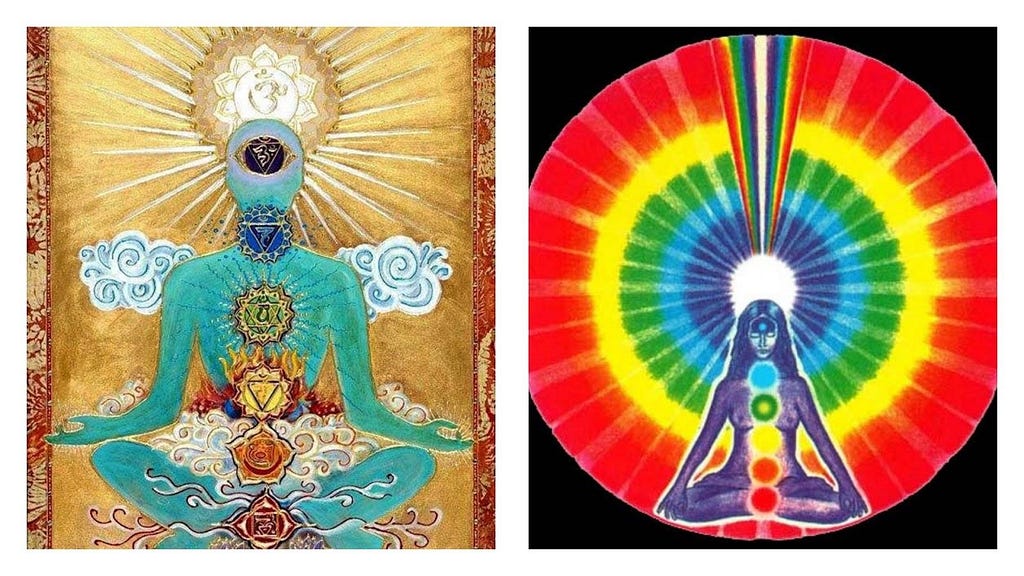
- Light is responsible for turning on the brain and the body. Light enters the body through the eyes and skin. When even a single photon of light enters the eye, it lights up the entire brain. This light triggers the hypothalamus, which regulates all life-sustaining bodily functions, the autonomic nervous system, endocrine system, and the pituitary (the body’s master gland). The hypothalamus is also responsible for our body’s biological clock. It also sends a message, by way of light, to the pineal organ, which is responsible for releasing one of our most important hormones, melatonin. The release of melatonin is directly related to light, darkness, colors, and the Earth’s electromagnetic field. This necessary hormone affects every cell in the body. It turns on each cell’s internal activities, allowing them to harmonize with each other and nature. The pineal gland is believed to be responsible for our feeling of oneness with the universe and sets the stage for the relationship between our inner being and the environment. If that relationship is harmonious, we are healthy, happy, and feel a sense of well-being. An imbalance in this relationship makes itself known in the form of disorders or disease in our physical, mental or emotional states. The pineal is our “light meter”, and receives information from the heavens above, to give us that sense of oneness with the universe, and from the Earth’s electromagnetic field below to keep us grounded. A perfect balance is necessary to maintain our health and to keep us in harmony with the environment.”
RED LIGHT / COLOR

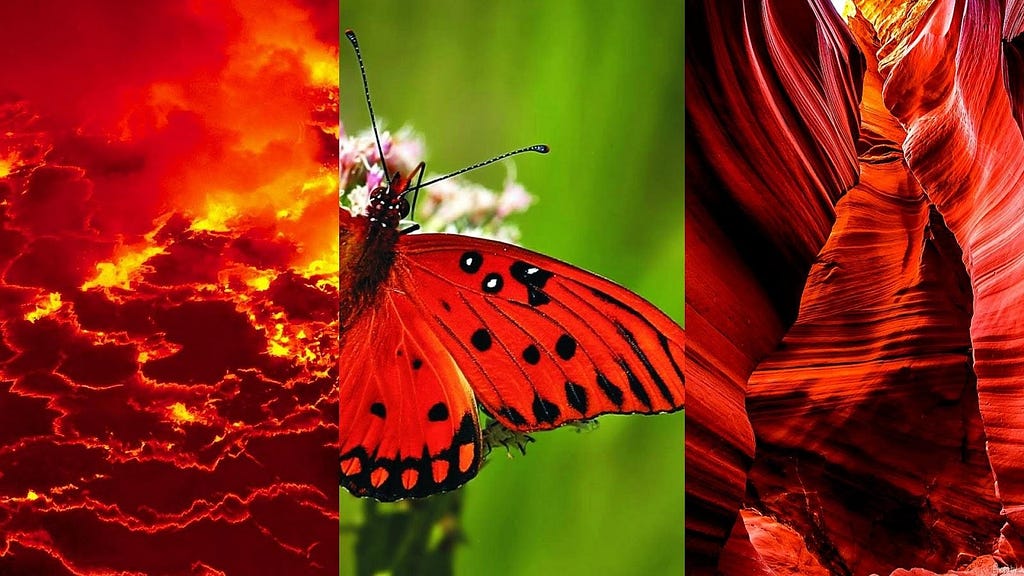
- Red relieves muscle soreness, reduces muscle stiffness, increases libido, increases blood circulation, activates metabolism, relieves arthritis pain, fights against illnesses such as cold, flu, and pneumonia, and builds collagen. Collagen is the most abundant protein in your body. It is the major component of connective tissues that make up several body parts, including tendons, ligaments, skin and muscles. Collagen has many important functions, including providing your skin with structure and strengthening your bones.
- Red light is a powerful color, symbolic for the root chakra located at the base of the spine. The root chakra is the body’s most primal energy center. It governs our instincts, how we survive in this world and how to stay alive — our animal characteristics. Red activates your physical senses, taste, smell, sound, touch, and vision. Red light has the lowest energy, frequency, vibration and the longest wavelength of all the visible light. It is known as the “The Great Energizer.” It is a color that assists in the physicality of things.
- It’s also known as a “Pain Reliever.” Red has been proven to penetrate the body’s muscles, releasing stiffness, soreness, and tension. Red also assists with injuries such as pulled muscles, sprains, fractures, and broken bones. For instance, athletes or people who undergo a lot of physical endurance may end up feeling pain in their bodies. Red goes beyond the surface of the skin and to the core of where the pain is coming from. Red activates more blood flow to pump throughout the body, producing more nutrients such as oxygen. More blood flow and more oxygen allows your body to start healing itself.
- Red is a symbol of fire, angriness, and love. Red stimulates the root chakra, at the base of the spine. Red causes hemoglobin to multiply which is excellent for anemia and other blood-related conditions. Never treat cancer with red because this color will stimulate cell growth.
- The color red represents vitality, creativity, energy and power. People who favor the color red are usually those that like to be in the forefront where they can attract a lot of attention. They are often quick to react and overemotional.
- This colour helps to loosen stiffness and restraints. It stimulates the release of adrenalin in the bloodstream and causes haemoglobin to multiply. Hence, it results in greater strength and energy and is good for treating anaemia and other blood-related conditions. Red can also make you feel warmer, reducing pain that comes from the cold. It also helps for people who are feeling lethargic or depressed.
- However, an excess of red can make a person agitated and aggressive. While it may excite sexual passion, it can also lead to anger and destructive behavior. It is not recommended to be used for people who have heart trouble or who have a nervous disposition.
ORANGE LIGHT / COLOR


- Orange light treats asthma, treats epilepsy, stops constipation, heals bone fractures, heals sore ligaments, treats all sinus conditions, boosts the immune system, eliminates cysts, repairs inflammation of the kidneys, relieves pain of menstrual cramps, and relieves the pain of gallstones and kidney stones.
- Orange is a warm color and is extremely soothing to the senses. It is symbolic for the Sacral chakra located between the hips. It governs our creative energy, sensual energy and emotional energy. It is the center of our pelvis and connected to our reproductive organs. This chakra rules over your pleasures — what you like and dislike. Orange is a mixture of red and yellow. It has extremely grounding properties from red. That is why it is so beneficial to the physical body, as opposed to indigo, which is more beneficial for mental health. Orange helps the body heal from indigestion, such as constipation, bloating, cramping and detoxification. It also matches up with the vibration of your body’s kidneys, large and small intestines, the lower spine (back), and sacroiliac joints.
- The vibration of orange is healing and brings a sense of warmth and satisfaction to your mind and body. Orange is great for shedding weight because it activates and eliminates localized fat. It is a great helper for those who suffer from chronic abdominal pain, whether it’s cramps, problems with indigestion, stomach cancer, or anything else. It is a color that specifically targets pain in this area. If orange is used in one’s life at a young age, it could help prevent the body from activating cancer cells.
- Orange stimulates the sacral chakra, the symbol of good luck and fortune. Orange also stimulates creative thinking and enthusiasm. The color works well with the digestive system, increasing thyroid activity and relieving muscle cramps and spasms.
- Like red, orange is also an energizing color. Used in moderation, it has a gentle warming effect. It is useful in treating gallstones, digestive ailments, chest and kidney diseases and arthritis. It helps to lift the spirits of people who are depressed, lonely, who feel hemmed in or who feel that their lives lack direction. However, too much orange can lead to agitation and restlessness like the color red.
YELLOW LIGHT / COLOR
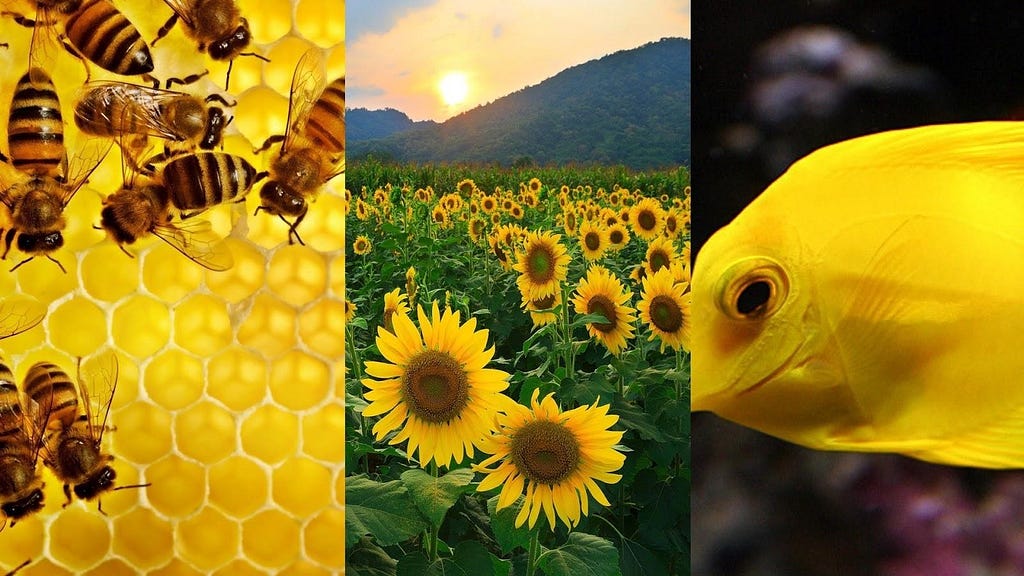
- Yellow light is a natural skin purifier, strengthens the immune system, relieves indigestion, reduces scar tissue, increases curiosity, awareness, and the ability to absorb information. It is used to treat asthma, bronchitis, epilepsy, mental and muscular disorders, cramps, rheumatism, tears, sore ligaments, bone fractures, kidney stones, intestinal spasms, hypothyroidism, constipation, and menstrual difficulties. It can also prevent malignant tumors from forming.
- Yellow also helps awaken mental inspiration. Great for nervous or nerve-related conditions, as well as fueling the solar plexus which holds our will power and strength. Yellow helps with conditions of the stomach, liver and intestines. It can help the pores of the skin by repairing scar tissue. Yellow rays have an alkalizing effect that strengthens the nerves. Typical diseases treated by yellow are constipation, gas, liver trouble, diabetes, eczema, and nervous exhaustion. Yellow increases curiosity, understanding, clarity, and awareness.
- The brightness of yellow strengthens the nerves and the mind. The color improves diabetes stomach and liver conditions, and helps scar tissue heal itself.
- People attracted to the color yellow usually have sunny dispositions and are good communicators who love to talk. Those who prefer the stronger shades of yellow often tend to be arrogant or conceited, while those who are drawn to the more pastel shades of yellow may be timid.
- Yellow stimulates the intellect and has a generally cheering effect. It has been found to be useful in facilitating the digestive process and in curing skin problems. However, like red and orange, it is not recommended for people experiencing great stress. Over stimulation could result in exhaustion and depression.
GREEN LIGHT / COLOR
- Green is healing. Green brings balance and harmony to one’s mind and body. It is relaxing and renewing. The heart becomes healthier when exposed to green light. As humans, we are a part of nature; nature is all around us. Plants and trees give us oxygen to breathe and also appear as green in the visible spectrum. Therefore, green light allows us to feel connected to the earth.
- Green helps relax the muscles, nerves and thoughts. It relieves headaches, and on a bigger scale, relieves cancer symptoms. It gives the mind and body a sense of renewal, clarity, and peace. Green decreases and stabilizes blood pressure and helps with ulcers. It is an amazing color to work with if you suffer from heart disease.
- Green is known to be universally healing. It is symbolic for the heart chakra because green light helps with opening our heart. Forgiveness and understanding follow, helping us reach a state of neutrality — being able to smile when life gets hard and knowing to love yourself unconditionally. Green is in the middle of the color spectrum. It carries both physical and spiritual healing benefits. Green can be used for just about any condition. Whether it is sore muscles, cancer, or healing a broken heart, its frequency is what your body needs in that moment.
- Known as the color of nature, green stimulates the heart chakra. This color is also used to cure fever, flu and heartburn as green increases visualization, strengthens the immune system and shapes muscles, bones and cells.
- The color green represents balance, harmony and hope. People who favor the yellower tones of green are usually adventurous in nature, while those who prefer the bluer tones of green tend to be optimists. If green is your color, remember to add a little red or orange to your surroundings to liven things up a little.
- Green helps to calm frazzled nerves and is good for people with heart conditions. It stimulates growth and therefore helps to heal broken bones and facilitates the regrowth of tissue. It is recommended for pregnant women to create a serene atmosphere.
- However, too much green can bring on a sense of lethargy as the person settles into a state of tranquility almost approaching stagnation. A person tends to become complacent as he does not feel a sense of challenge or a need to strive towards any goal.
BLUE LIGHT / COLOR


- Blue is anti-anxiety, helps speech and communication, brings mental relaxation, and lends wisdom and clarity. Blur light also helps with sleeping problems and is a natural antiseptic — clearing the air of bacteria. It also relieves fever symptoms, bronchitis, asthma, and lung cancer.
- For those who suffer from drug addiction, blue light may offer some relief. Blue helps break unhealthy cravings and bad habits. It’s the blue rays that bring peace to the mind while clearing away worried thoughts and troublesome life experiences. For those who have insomnia, blue light is able to relax the body and put the mind to sleep.
- Blue links to the throat chakra and symbolizes coolness and a soothing feeling. Fever, headache, high blood pressure, asthma are the kinds of diseases that blue can help with. It cools down inflammations (anti-itching, anti-stress).
- Blue is the color of truth, nobility and serenity. It has a cooling, soothing and calming effect. Blue-colored clothes should be worn to combat the heat in the summer. It helps for people who are feeling frightened or flustered. Meditating on the color blue before one sleeps helps to ward off nightmares.
- In the physical sense, blue is useful in bringing down a fever. It helps to stop bleeding, is good for burns and can cure a sore throat. It is recommended for people suffering from shock, inflammation and nervous breakdowns. It is not advisable for people with bad circulation.
- However, blue can be calming to the point of having a sedative effect. It can make a person passive and easily led or taken advantage of. An overdose of blue can make you feel cold, sad and depressed.
INDIGO LIGHT / COLOR

- Indigo helps Psoriasis, tension headaches, migraines, visual defects, short-farsightedness, nearsightedness, glaucoma, cataracts, catarrh, sinus problems, and some ear problems. Psoriasis is a common skin disorder that makes raised, reddish, and often scaly patches.
- Indigo is one of the most powerful mentally-stimulating colors of the visible light spectrum. It creates greater dream activity and increases imagination. So if you meditate and use visualization as a tool, or if you want to tap into your source of creativity for work, or for any life projects, indigo aligns your mind and body to tap into the creative part of yourself.
- Not only does it activate certain parts of your brain, but indigo increases white blood cell production. White blood cells are vital for fighting infections by attacking bacteria, viruses, and germs that invade the body. White blood cells originate in the bone marrow but circulate throughout the bloodstream. Indigo also relieves scalp pain such as scalp psoriasis.
- This color can help mental problems. It stimulates the brow chakra that governs both physical and spiritual perceptions.
- The color indigo is associated with the mysterious and the profound. People attracted to this color usually look beyond the surface of things. They are drawn to higher things, sometimes even the occult.
- Indigo stimulates the intellect. It gives a person a sense of courage, authority and inner calmness.
- At the physical level, indigo purifies the blood. It is useful in treating diseases of the ear, nose and eyes and for sinus problems. It is also used for curing varicose veins, diseases of the nervous system, boils and ulcers, and skin disorders.
- An excess of indigo can give you a headache and make you feel sleepy.
VIOLET LIGHT / COLOR
- Being a color of meditation, purple slows down an over-active heart and stimulates the immune system, cures insomnia and helps detoxification. (asw).
- Violet is a very powerful color and has strong links with creativity. It is said that Leonardo da Vinci meditated upon it and that Beethoven had violet curtains. Those drawn to this color are often shy.
- It is useful in treating people who are excessively emotionally agitated. It also helps compulsive eaters to calm down and control their compulsion to eat.
- The creative energy unleashed by this colour is often too much to handle and if not channelized properly can make a person feel quite ill. It is not advisable for clinically depressed individuals.
PINK LIGHT / COLOR
- Within minutes of sitting with the pink light, negative thoughts and aggression decreases rapidly within your being. Pink naturally cleanses the body’s blood and cleanses the mind of impure thoughts. It strengthens veins and arteries while activating and eliminating impurities in the blood stream. Pink helps with any gum diseases as well as toothaches. Pink loosen the body and decreases if not eliminates stress. Violent behavior will be decreased with exposure to pink light. As babies, we start off in our mother’s womb. Inside the human body, everything is pink. We are surrounded by pink during these first 9 months of our lives. This is why pink is symbolic for our inner child — the pure innocence we have within us.
- It is a perfect color to work with if you have PTSD or any emotional trauma that resides within your body. Trauma is actually stored within our cells’ memory. What pink does is charge our cells with the vibration that allows our body to start releasing trauma. It is a purifier. Some sources have reported a reduction of muscle strength in inmates within 2.7 seconds. It appears that when in pink surroundings, people can never become aggressive despite their desire because the color saps their energy.”
TEAL LIGHT / COLOR

Teal is a mixture of green and blue. Teal is a cleansing color. Teal increases clarity, boosts immunity, rebuilds cells, relieves infections, reduces pain and fever, brings mental relaxation, and accelerates burn healing. It is a natural antiseptic. It is great for cleansing the mind of redundant stagnant thoughts, raising your vibration and opening you to feel light. This color can can help release emotional build up.
TIP: Burn sacred sage before and after sweating under teal light to get a full cleanse. If you are opposed to the teal light, it could mean that your energy needs a fresh slate — a cleanse or possibly a purge to let go of whatever is not working for you.
Research to date, however, has found that in general, we associate the following colors with the following emotions:
- Red: aggressiveness, energy, movement, confidence, stimulation, intensity
- Yellow: happiness, vitality, improved mood, optimism, laughter
- White: sterility, cleanliness, purity, innocence, light
- Pink: calm, reduced appetite, sweetness, love and romance
- Green: renewal, openness, peace, prosperity, tranquility
- Black: strength, toughness, power, anger, authority, intelligence
- Blue: openness, space, contemplation, focus, serenity
- Orange: energy, ambition, activity, socialization, freeing
- Brown: reliability, stability, wholesome, organic, natural
- Purple: intuition, creativity, luxury, spiritual, wisdom, mystery
20 Ways to Use Color Therapy to Improve Your Life
Here are 20 ways you can use color to shape your habits, the impression you give off, and how your spaces feel.
1 — When Exercising
If you want to improve your performance, choose a red outfit, and take your route downtown where you’re more likely to see red road signs, red cars, and red stoplights.
2 — When You Need to Remember Something
Try to get yellow into the mix. Some research has suggested it may improve memorization.
3 — When You Need to Get Work Done
Avoid white walls. Studies show that employees working in white-walled offices experience more side effects like headaches and nausea than those in red or blue workspaces.
4 — When You Want Some Space to Relax
Get some green into the mix. Because of its connection to nature and the environment, it’s typically associated with relaxation and comfort.
5 — When You Want to Refrain from Eating Too Much
If you’re watching your weight, avoid yellow in your dining room. A 2007 study found that people in a yellow room ate twice as much as those in a red or blue room.
6 — When You Want to Feel Confident
Try a mix of red and black. Both are associated with confidence. If you’re going up in front of a room full of people, black can help you appear more authoritative and possibly sophisticated.
7 — When You Need to Be Creative
Go blue. A 2009 study found that people exposed to blue were better able to explore their creative sides. Use blue in your art, crafting, or writing room, or slap on a blue piece of jewelry for a creative boost on the go.
8 — If You Want to Feel Energetic and Happy
Combine orange and yellow in your wardrobe. Not only will you feel more sunny, but you’ll project that image onto others, potentially helping to lift their mood.
9 — When You Need to Be Calm
Going into a stressful situation? Try a combination of pastel green and blue colors. These work well in rooms in the home where you want to relax after a stressful day at work, or somewhere within eyesight when you have to confront a stressful situation. Green is particularly helpful for promoting calm in health-oriented spaces, like hospitals, clinics, and counseling offices.
10 — When You Want to Be Romantic
Add a little pink to your table decorations, your wardrobe, your jewelry, or your bedroom. Pink is the color of romance, and also tends to be calming and soothing.
11 — When You Need to Focus
If you work at home or have your own office, you may want to be sure you have blue in the décor. It not only calms and stimulates creativity, but it can encourage focus, helping to limit distractions so you can get your work done.
12 — To Help Keep Your Spirits Up
If life has been difficult lately, it may be time to bring in more yellow to your living and working spaces. Yellow is associated with optimism and good times. Choose bright and cheerful yellow pictures, molding, drapes, or other decorations to help you feel better.
13 — When You’re Hosting a Party
Make sure you have some orange around! This is a lively, flamboyant color that helps stimulate energy between people, and promotes interaction.
14 — When You’re Tired and Just Don’t Feel Like Doing Anything
Get some red on! This color creates energy and helps infuse your spirit with vitality. Rely on it to get you through a tough day.
15 — If You’re Having Trouble Expressing Yourself
Go somewhere you can be exposed to orange. This color helps lift repressions and encourages freeing expression. If you’re in a relationship and it’s time to open up, use orange to give you a helping hand.
16 — If You’re Taking a Class
Wear some yellow, as it will help stimulate your interest and curiosity. Yellow connects you to your learning self, and will help motivate you to open up your mind.
17 — If You’re Feeling a Bit Off-Center
Get out in nature where you can be surrounded by green things. Green connects us to the spiritual center, and brings our attention to the heart, alleviating stress and letting all those small worries just fade away with the breeze.
18 — When You Need to Connect With Your Intuition
It’s time to incorporate purple into your life. Purple helps us get in touch with our intuition, and is also the color associated with dream activity and psychic powers. If your logical mind is running the show and it’s not going so well, get closer to your gut feelings by exposing yourself to more purple.
19 — When You’re Redecorating Your Home
Consider the effect of each color and what you want to feel in each room. Kitchens and bathrooms often incorporate yellow to convey happiness and joy. Dining rooms that use blue and green will feel more calm and may inhibit the impulse to eat too much. A little pink in the bedroom may stimulate romance, but you may want to combine it with blue or green to encourage a restful sleep. Your workout or exercise room would benefit from performance-enhancing red, and maybe a bit of energizing orange. A little purple in your guest room can make it feel luxurious, and is also great for creative rooms.
20 — If You Want to Look Smart
Going for an interview, or trying to impress someone with your brainpower? Go for blue. It’s a soothing color, but also aids concentration and is perceived as conveying intelligence.